


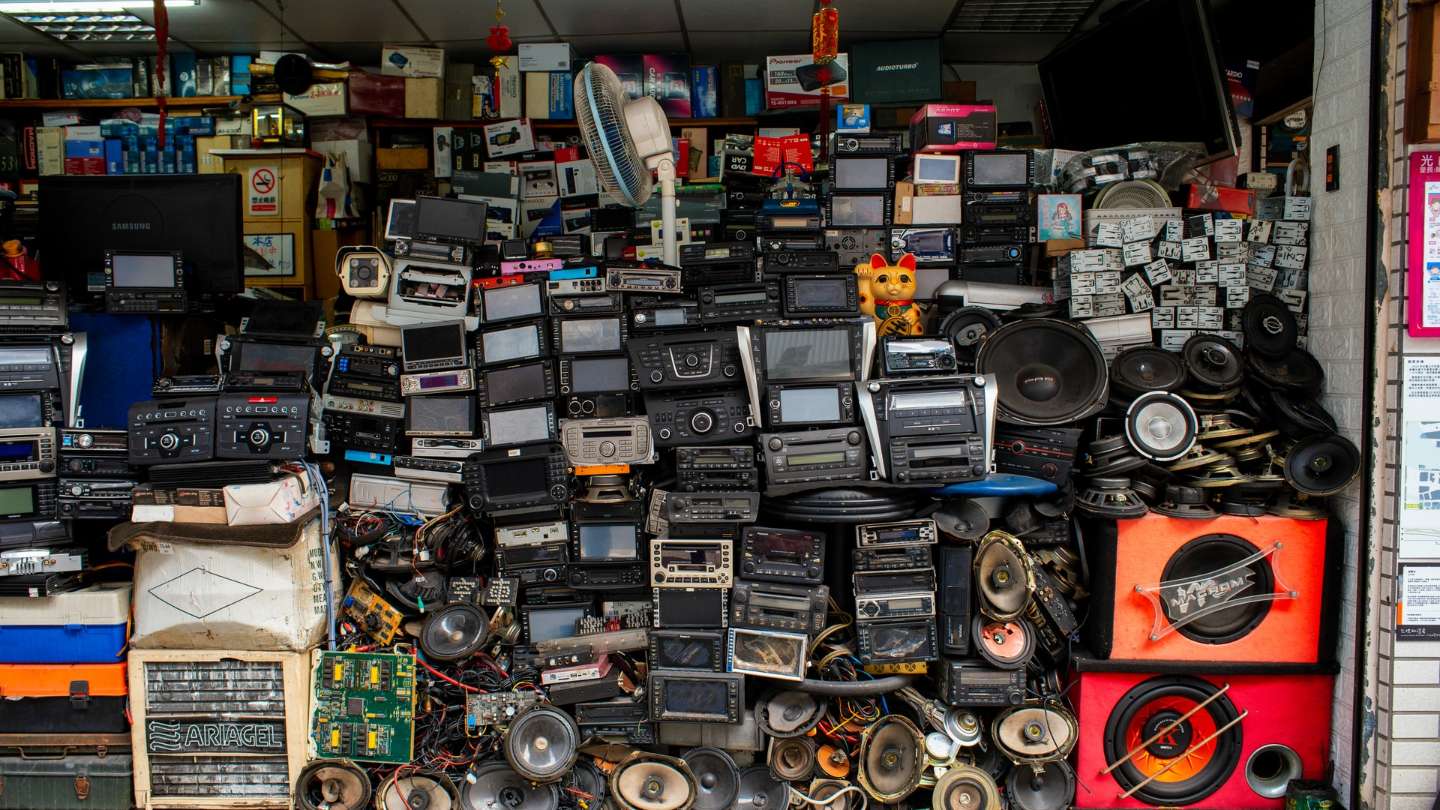
A person suffering from hoarding disorder has difficulty discarding or letting go of their possessions because they feel obligated to keep them. Hoarders have a difficult time letting go of their stuff. There is an excess of possessions, irrespective of their genuine monetary value.
Hoarders frequently live in cramped spaces with only a few narrow pathways between piles of junk. Almost every flat surface in the house, including cabinets, sinks, stoves, desks, and stairwells, is jammed with clutter. If there is insufficient space within, the mess may spread outside as well.
Hoarding can range in severity from minor to severe. While hoarding may not have a noticeable effect on your daily life in some circumstances, it might have a noticeable effect on your capacity to function in others.
The difficulty of treating hoarding disorder is exacerbated by the fact that the individual suffering from it may be unaware that they have a problem. When an individual with hoarding disease receives prolonged therapy, he or she may develop new coping mechanisms that enable them to live a more normal, happy life.
Are you able to determine if someone is a hoarder?
The early signs and symptoms of hoarding disorder include an excessive accumulation of goods, a gradual accumulation of clutter in one’s living space, and difficulty letting go of items.
When a person reaches a certain age, it is usual for them to begin amassing items for which they have no urgent need or desire. In middle age, symptoms might become more severe and difficult to treat.
Hoarding problems typically develop gradually and are confined to the household. By the time it reaches the attention of others, a significant quantity of clutter has accumulated.
Signs and Symptoms
- Obsessively purchasing items that are superfluous or take up too much space.
- Inability to let go of possessions, regardless of their actual value, is a frequent occurrence.
- A great desire to retain these goods and reluctance to discard them.
- Accumulation of clutter to the point where spaces become useless
- Indecisiveness, perfectionism, avoidance, procrastination, and difficulties with planning and organisation are all attributes associated with persons who are prone to these traits.
Individuals who suffer from hoarding disorder frequently store items for the following reasons:
- This, they believe, is the only way to obtain it.
- Emotional significance is affixed to the products, which may serve as a reminder of happier times or serve as a representation of a cherished person or pet.
- They feel more safe when surrounded by the stuff they’ve saved.
Finally, they do not wish to waste a single drop of effort.
The connection between hoarding and being without an immediate family
There is no recognised cause of hoarding disorder. According to some ideas, heredity, brain function, and traumatic life events may all be involved.
Hoarding typically begins between the ages of 11 and 15, and it worsens over time. Hoarding is more prevalent among the elderly than in any other age group.
However, some of the reasons for the emergence of hoarding include the following.
As a result of a traumatic life event
Among the several possible reasons, this is the most pertinent. It explains the connection between being without direct family, particularly if they have died or abandoned the individual, leaving them feeling alone.
The majority of people develop hoarding disorder as a result of a traumatic life event such as a loved one’s death, a divorce, being evicted, or having all of their possessions burned in a fire.
When it comes to hoarding, there is a sense of loss and sadness associated with the act of suffocating oneself with material belongings. When people are unable to surround themselves with close friends and relatives, they may turn to calming objects to fill the void in their lives.
Loneliness has been identified as a significant factor in the development of hoarding. As the void expands, the mountain of items expands as well.
If you or someone you know suffers from any of the symptoms listed above, it may be worthwhile to check whether loneliness plays a role. The key to reclaiming their healthy mind may lay in resolving their inner loneliness.
Childhood encounters
Hoarding may be associated with childhood trauma, such as losing or being unable to obtain one’s stuff, or being ignored. This category may include the following experiences:
Being deprived or mistreated – for example, if your basic requirements are not met or if you are not treated with warmth or support – financial difficulties and living in poverty; having your belongings removed or thrown away
Personality.
Indecisiveness is a prevalent personality trait among hoarders.
The family’s history.
Having a family member with hoarding disorder increases your likelihood of having the problem yourself.
According to a recent study, up to 85 percent of persons who engage in compulsive hoarding can think of at least one family member. Hoarders frequently have a history of growing up in cluttered environments, and hence take solace in the disorder.
Many hoarders share their material possessions with family members, such as a parent or sibling. According to some research, this may be related to a shared ancestor’s DNA or a hereditary inclination to hoard.
A more complex web of interactions than blood relations and shared living areas may also be involved. You may have taken up habits and behaviours from your parents or caretakers in a variety of ways, including how to organise your home and goods.
If you share a home with someone who hoards as well, your space may become far more cluttered. If you and your partner are unable to agree on what to keep and what to discard, making changes can be quite challenging.
Additional causes
The following mental health problems are frequently encountered in individuals with hoarding disorder:
- Depression
- Anxiety disorders are considered to be a form of mental illness.
- Obsessive-compulsive disorder (OCD)
- Bipolar illness
- Attention-deficit/hyperactivity disorder (ADHD)
Is hoarding an avoidable behaviour?
Due to a lack of knowledge about the origins of hoarding disorder, there is no established approach for preventing it. Dealing with a hoarding problem, on the other hand, can assist prevent it from worsening.