


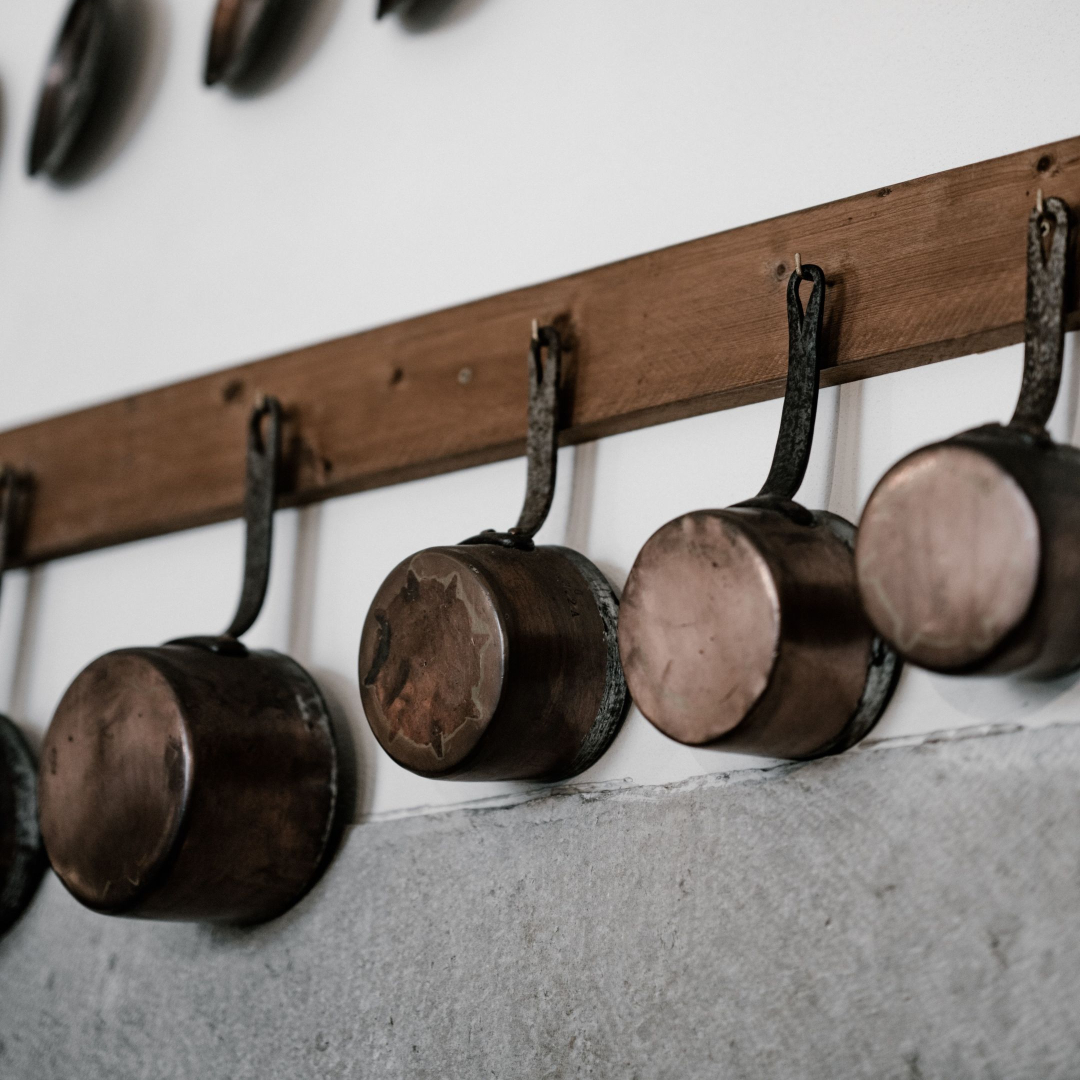
Everyone owns pots and pans that they have used for years. Perhaps that was the one you were sent to college with, sticking with you through thick and thin. Or the wedding present that, although it disappointed you initially, you now find it impossible to part with? Nevertheless, some cookware, pots, pans, and other kitchen appliances might not be as durable, and discarding them when they fail could be challenging. Here, we look at the best way to dispose of pots and pans.
Throwing Old Cookware
Perhaps you’re doing a thorough house clearance, going through everything to get rid of anything you no longer need. You could rid your kitchen of some old pots and pans, broken utensils, kitchen gadgets, and treasured cookware that has seen better days. Maybe you are clearing out a deceased relative’s house and losing where to put all the cookware. A professional house clearance company, such as National Clearances, can help.
Teflon Pans
Recycling items like these is challenging because non-stick cookware is composed of two closely entwined materials. It is necessary to remove the non-stick coating from the stainless steel underneath. This is common to the majority of products that are difficult to recycle. Crisp wrappers are another excellent example; they are a difficult-to-separate blend of plastic and metal. For this reason, many councils will request that your recyclables be separated into metal and paper/cardboard products.
Reusing Pots and Pans
You should be able to take pots and pans to your local recycling centre. You could also try contacting the maker of your pots and pans and asking them if you can return the pans to them for recycling. Some can apply a new layer of Teflon on the pans and return them. Some companies now even offer a ‘pan for life’ warranty, so check with the manufacturer.
Extend the Life of Your Non-stick Pans
It’s not necessary, but you can season your non-stick cookware. Doing this will allow you to use the non-stick coating for longer and produce less trash because it will remain effective longer. To do this, thoroughly clean your pan, then use some kitchen paper to lightly coat it with high-smoke point oil, like vegetable or sunflower oil. After adding oil, heat the pan on medium for about two minutes or until it is warm to hot but not scorching. After that, you can turn off the heat and let the pan cool. You may remove any extra oil by wiping it off with your cooled pan. Doing this will fill the pores and tiny holes, revitalising the non-stick coating.
If you require help with house clearance, contact National Clearances on 0203 9859552.